Nasal plastic surgery in South Korea is among the top three most popular procedures among medical beauty tourists. Keywords such as “South Korea rhinoplasty Dcard”, “South Korea rhinoplasty prices”, “South Korea rhinoplasty recommendations”, and “View rhinoplasty Dcard” consistently rank highly on platforms like Dcard and PTT. From minor nasal enhancements using Filler or DongAn Center Introduction injections, to minimally invasive procedures like thread rhinoplasty, as well as more complex surgeries involving autologous cartilage, silicone, Gore-Tex, Medpor, or 3D custom rib cartilage grafts, each approach comes with distinct recovery times, prices, degrees of reversibility, and associated risks of complications. In this article, we will first provide a detailed comparison of the five main types of nasal plastic surgery in a tabular format. Then, we will compile actual price ranges for rhinoplasty at six popular South Korean hospitals—ID, TS, Wonjin, BK, Banobagi, and Will Be—and address frequently asked questions on topics such as regrets after thread rhinoplasty and South Korea nose wing reduction procedures.
How to choose among the 5 main methods of nose plastic surgery in South Korea? Understand the common differences commonly mentioned on Dcard with this table.
When searching for “South Korea rhinoplasty on Dcard Beauty Edition”, the most common question that arises is: “What are the differences between thread rhinoplasty, Filler rhinoplasty, autologous cartilage grafting, silicone implants, and rib reconstruction?” The following table clarifies these five mainstream procedures by examining four key aspects: cost, recovery time, reversibility, and major risks.
| Method | Suitable candidates | Duration of effect | Average price of Korean won | Conversion of new Taiwan dollars | Main Risks |
|---|---|---|---|---|---|
| Filler/TongAn Center Introduction Micro-implantation | For those with low nasal roots, mild nose collapse, or who want to experience the results of such treatments | 6 to 18 months | Between 300,000 and 800,000 yen | Approximately NT$7,050 to NT$18,800 | Easy to absorb, prone to embolism, and may shift in position. |
| South Korea’s Magic Thread nose surgery | Slight adjustments to the root of the nose and the tip of the nose – for those who prefer not to undergo surgery | 12 to 24 months | Between 300,000 and 1 million yen | Approximately NT$7,050 to NT$23,500 | Exposed veins, asymmetry, and a nose that rebounds when touched |
| Autologous cartilage rhinoplasty | Those who pursue a natural look and avoid implants | permanent | Between 3.5 million and 6 million | Approximately NT$82,300 to NT$141,000 | Chondral resorption and deformity due to bending |
| Silicone/Gore-Tex prosthetic rhinoplasty | Those with collapsed skeletons who require significant lengthening | permanent | Between 30 million and 60 million yen | Approximately NT$70,500 to NT$141,000 | Envelopment contraction, displacement, and light transmission |
| 3D Customized Rib Reconstruction Rhinoplasty | Those with severe nose collapse, who have undergone secondary repairs, or those who have experienced failed plastic surgery procedures | permanent | Between 6 million and 12 million | Approximately NT$141,000 to NT$282,000 | Pain during rib removal, scars on the chest, and high costs |
💱 Exchange rate notes: The above conversions are based on the rate of 10,000 South Korean won ≈ NT$ 235 (1 New Taiwan dollar ≈ 42.55 South Korean won). The actual amount shall be subject to the exchange rate on the day of transaction and the quotation provided by the clinic. Most publicly available prices in South Korea do not include a 10% value-added tax, anesthesia fees, or post-operative care medications. Please make sure to confirm the total cost before traveling to South Korea.
Why has nasal plastic surgery in South Korea become the top choice for Female genital surgery among Asian women?
The nasal bone structure of women in East Asia generally features a “low nose bridge, wide nostrils, and a rounded nose tip,” which is also the fundamental reason why search terms related to nose reduction in South Korea, such as “dcard” and “PTT,” have remained popular for a long time. From the perspective of the lateral facial golden ratio, namely the “E-line” (the straight line extending from the nose tip to the chin), a low nasal root can cause the Forehead and chin to appear sunken visually, resulting in a less three-dimensional overall profile.
- Lack of IPCHEA in the side profile: The root of the nose is below the level of the eyebrow bones, causing the facial features to appear flat.
- The tip of the nose droops when smiling: When you smile, the tip of your nose is pulled downward, which can make you look older in photos.
- If the width of the nostrils exceeds the distance between the inner corners of the eyes, it can disrupt the golden ratio of the face, making it appear shorter in shape.
- Deviated nasal bone: This can affect both respiratory function and appearance, often requiring simultaneous correction of the deviated nasal septum.
It is precisely because of these fundamental procedures that major plastic surgery clinics in South Korea have, since the year 2000, made “rhinoplasty + septum correction” a standard combination of surgeries. They have also developed the “South Korean rhinoplasty comprehensive procedure,” which involves the use of ear cartilage (transplanted to the tip of the nose), septum cartilage (used to lengthen the nasal bridge), and silicone or Gore-Tex materials (used to enhance the nasal profile). The following six hospitals are all representative institutions on the BeautsGO platform that offer public pricing information for rhinoplasty comprehensive procedures or have extensive experience in performing multiple revision surgeries. They are listed here according to their specialized areas of expertise.
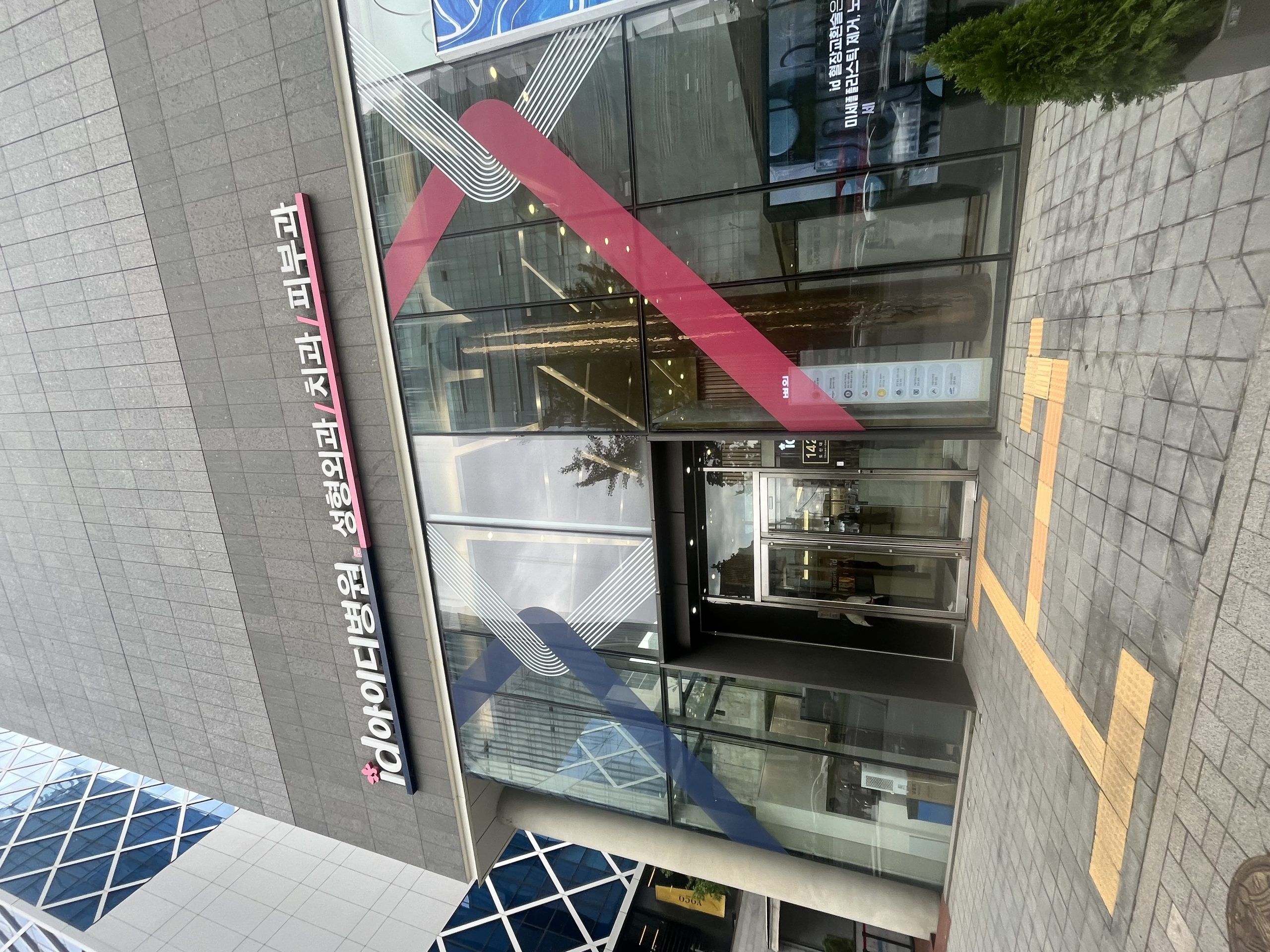
1. ID Plastic Surgery (ID Hospital) | 3D Customized Rib-Nose Plastic Surgery and Advanced Restorations
The positioning of the clinic and its signature treatments
ID Plastic Surgery Hospital (아이디병원) is renowned for its 3D printed bone molds and customized surgical techniques. In addition to basic nasal comprehensive procedures, its Rhinoplasty Department specializes in 3D-customized rib nose reshaping and highly complex Revision rhinoplasty cases. ID has a dedicated “Revision rhinoplasty center” that can handle challenging situations such as silicone implant light leakage, Gore-Tex infection, and L-shaped implant perforations. For patients who regret having undergone thread-based rhinoplasty due to implant adhesion or nasal deformity, ID is often recommended as a repair option by Dcard Medical Beauty.
Suitable for various groups
- Seeking a second attempt after a failed nose surgery: displacement, contracture, and a history of infection.
- Severe nasal collapse or excessively short nose: Autologous rib tissue must be used to reconstruct the nasal bridge and tip.
- Comprehensive nose, jaw, and cheek surgery: For those who want to transform their entire facial profile in one go.
Price ranges for nose augmentation in South Korea (public market prices)
- Nose comprehensive treatment: ¥5 million to 8 million (approximately NT$117,500 to 188,000)
- Revision rhinoplasty: ¥97 million to ¥10 million (approximately NT$164,500 to NT$235,000)
- 3D customized rib nose reconstruction: ¥99 million – ¥13 million (approximately NT$211,500 – NT$305,500)
- Alar base reduction surgery: ¥9.12 million – ¥2.5 million (approximately NT$28,200 – NT$58,750)

ID Plastic Surgery Hospital (ID Hospital)
BeautsGO 認證
📍 ID Hospital Building, 142 Dosan-daero, Gangnam-gu, Seoul
🚇 Exit 5 of Roda-O Station on the Bundang Line, approximately 5 m
inutes on foot
🕐 Hours of operation: Monday–Thursday 10:00–19:00; Friday 10:00–21:00; Saturday 10:00–16:00; Sunday/holidays: Closed
2. TS Plastic Surgery | Comprehensive nasal surgery quote: ₩6,820,000
The positioning of the clinic and its signature treatments
TS Plastic Surgery is one of the few clinics in South Korea that publicly lists prices for “nasal comprehensive surgery [initial nose surgery] at ₩6,820,000 per procedure” on the BeautsGO platform. For travelers who wish to avoid the lack of transparency associated with the practice of “consultation first, then quotation,” TS provides a valuable reference point in terms of pricing. The nasal surgery offered by TS follows a standard three-step procedure that includes “L-shaped silicone implantation + ear cartilage transplantation for the nose tip + septum lengthening,” and patients are provided with 3D simulation images before the surgery as well as follow-up consultations after the procedure.
Suitable for various groups
- For those undergoing their first nose surgery, it is essential to have a clear understanding of the pricing criteria.
- Those with mild to moderate nasal collapse combined with a rounded and blunt nose shape who are suitable for the standard surgical procedure.
- The budget is around 6 million yen; we are targeting customers who prefer package-based pricing models.
Price ranges for nose augmentation in South Korea (public prices available on the BeautsGO platform)
- Comprehensive nose surgery [Initial nose procedure]: ¥6,820,000 per session (approximately NT$160,270)
- Simple nasal filler: ¥30 million to ¥45 million (approximately NT$70,500 to NT$105,750)
- Soft cartilage rhinoplasty: ¥9.25 million to ¥4 million (approximately NT$58,750 to NT$94,000)
- Alar base reduction surgery: ¥9.1 million to ¥1.8 million (approximately NT$23,500 to NT$42,300)
The above quotes can be found in the rhinoplasty section of the BeautsGO platform. The actual amounts do not include 10% VAT or the costs of post-operative care medications. It is recommended to obtain a complete quotation sheet through BeautsGO’s Chinese customer service before traveling to South Korea.
TS Plastic Surgery
BeautsGO 認證
📍 TS Building, No. 416 Gangnam-daero, Gangnam-gu, Seoul
🚇 Ex
it 1 of Gangnam Station on Subway Line 2 or the new Bundang Line; approximately 4 minut
es on foot
🕐 Open Monday–Friday from 10:00–19:00; Saturday from 10:00–16:00; closed on Sundays and public holidays
3. Wonjin Plastic Surgery | South Korea’s leading provider of comprehensive rhinoplasty solutions
The positioning of the clinic and its signature treatments
Wonjin Plastic Surgery is located adjacent to the Sinnonhyeon station in Gangnam. This multi-story comprehensive plastic surgery clinic is a frequently recommended option for rhinoplasty in South Korea, as listed on platforms like Dcard and PTT. Wonjin categorizes nose reshaping procedures into four types based on “bone structure”: low root type, hump type, upturned nose type, and revision type, each corresponding to different surgical approaches. The entire consultation process includes documents available in Traditional Chinese, 3D pre-operative simulations, and follow-up appointments six months after the procedure, making it ideal for first-time visitors to South Korea.
Suitable for various groups
- This is my first time undergoing nose plastic surgery in Korea, so I need the assistance of Chinese customer service staff and someone who can help me with the necessary documentation.
- A comprehensive case example of a combination of different skeletal types: hump nose + upturned nose, flat nose + wide nostrils.
- Passengers who wish to improve their nose, undergo Double eyelid surgery, and adjust the shape of their chin at the same time.
Price ranges for nose augmentation in South Korea (public market prices)
- Nose comprehensive treatment: ¥4.4 million to ¥6.5 million (approximately NT$94,000 to NT$152,800)
- Revision rhinoplasty: ¥96 million to ¥9 million (approximately NT$141,000 to NT$211,500)
- Hump nose correction: ¥3.35 million to ¥5.5 million (approximately NT$82,300 to NT$129,300)
- Alar base reduction surgery: ¥9.1 million to ¥2 million (approximately NT$23,500 to NT$47,000)

Wonjin Plastic Surgery Hospital
BeautsGO 認證
📍 12–18 floors, Pagoda Tower, 419 Gangnam-daero, Seocho-gu, Seoul
🚇 Exit 5 of Sinnonhyeon Station on Line 9 of the subway; appro
ximately 3 minutes on foot
🕐 Monday–Thursday: 09:30–19:00; Friday: 09:30–20:00; Saturday: 09:30–17:00; Sunday/holidays: Closed
4. BK Plastic Surgery | South Korea’s largest comprehensive rhinoplasty hospital
The positioning of the clinic and its signature treatments
BK Plastic Surgery (비케이성형외과) is located in the BK Dongyang Medical Building, Nonhyeon-dong, Gangnam. It is frequently mentioned by South Korea’s cosmetic surgery patients as a highly recommended option for rhinoplasty. BK has a dedicated nasal specialty clinic that offers four main sub-specialties: “primary rhinoplasty, revision rhinoplasty, rib cartilage rhinoplasty, and hump nose correction.” These procedures are performed by a team of rhinoplasty experts led by Director Kim Byung-Gun. BK is also one of the first hospitals in South Korea to introduce 3D-CT nasal bone scanning combined with endoscopic pre-operative evaluations, allowing for precise simulations of the desired nose length, hump reduction, and nostril narrowing before the surgery.
Suitable for various groups
- For those with severe nose collapse combined with a upturned nose, it is necessary to simultaneously use high-set implants at the root of the nose and procedures to lengthen the nasal column.
- Customers whose nasal bones are significantly deviated and who require septum correction.
- Second or third nasal plastic surgery revisions: BK is one of the few comprehensive hospitals in South Korea capable of performing Gore-Tex removal procedures combined with autologous rib reconstruction.
Price ranges for nose augmentation in South Korea (public market prices)
- Nose comprehensive surgery (basic nose procedure): ¥4.5 million to 7 million (approximately NT$105,750 to 164,500)
- Revision rhinoplasty: ¥96 million to ¥9 million (approximately NT$141,000 to NT$211,500)
- Rib nose reconstruction using Autologous rib cartilage: NT$ 2.115 million – NT$ 2.82 million
- Alar base reduction surgery: ¥9.1 million to ¥2 million (approximately NT$23,500 to NT$47,000)
BK Plastic Surgery
BeautsGO 認證
📍 87-7 BK Dongyang Medical Building, Nonhyeon-dong, Gangnam-gu, Seoul
🚇 Exit 2 of Nonhyeon Station on Line 7 of the subway; approx
imately 3 minutes on foot
🕐 Monday to Friday: 10:00–19:00; Saturday: 10:00–16:00; Sunday/holidays: Closed
5. Banobagi Plastic & Aesthetic Clinic | Natural Rhinoplasty Using Autologous Cartilage
The positioning of the clinic and its signature treatments
Banobagi Plastic Surgery (바노바기성형외과) is located on Gangnam-daero and is renowned in South Korea for its natural, autologous cartilage rhinoplasty techniques, as mentioned on the platform “Korean Rhinoplasty dcard”. Banobagi emphasizes the use of autologous materials over implants, transplanting ear cartilage to the tip of the nose and extending the nasal septum cartilage to enhance the nose’s structure. Only thin silicone or Gore-Tex inserts are used at the root of the nose. This surgical approach is often recommended to customers who seek a natural, bare-faced look and are concerned about the appearance of implants on PTT Medical Beauty.
Suitable for various groups
- For those with mild to moderate nose collapse who wish to avoid visible scars after surgery.
- Those who are concerned about potential complications from implants and prefer autologous tissue transplantation.
- Those who are interested in undergoing a comprehensive procedure that includes nose, eye, and jaw reshaping in one go.
Price ranges for nose augmentation in South Korea (public market prices)
- Autologous cartilage rhinoplasty: ¥4.4 million to ¥6.5 million (approximately NT$94,000 to NT$152,800)
- Soft cartilage rhinoplasty: ¥9.2 million to ¥3.5 million (approximately NT$47,000 to NT$82,300)
- Septum extension: ¥30 million to ¥5 million (approximately NT$70,500 to NT$117,500)
- Alar base reduction surgery: ¥9.1 million to ¥1.8 million (approximately NT$23,500 to NT$42,300)
Banobagi Plastic & Aesthetic Clinic
BeautsGO 認證
📍 465 Gangnam-daero, Gangnam-gu, Seoul, Banobagi Building
🚇 Ex
it 6 of Gangnam Station on Subway Line 2 or the ANEW Bundang Line; approxima
tely 3 minutes on foot
🕐 Monday–Friday: 10:00–19:00; Saturday: 10:00–17:00; Sunday/holidays: Closed
6. Will Be Plastic Surgery | The Department of Natural Nasal Plastic Surgery led by Director Wei
The positioning of the clinic and its signature treatments
Will Be Plastic Surgery (윌비성형외과) is located at 590 Gangnam-daero. The surgeries are performed by the team of chief physicians from the Wi series. The clinic specializes in natural nose reshaping that leaves no visible signs of the procedure. Will Be’s nose surgery approach focuses on a three-step technique that includes ear cartilage for shaping the nose tip, septum lengthening, and the use of micro-shimming silicone for the bridge of the nose. This is combined with an exclusive pre-surgery assessment using “side profile contour simulation” to emphasize the extension of the nose’s lines at a 45-degree angle from the side, rather than simply increasing the height from the front. In the Dcard Medical Beauty section’s discussion on “Recommended Nose Reshaping Services in South Korea,” Will Be was mentioned as the top choice for those who do not want overly dramatic results but still desire noticeable improvements to their nose shape.
Suitable for various groups
- Those with mild to moderate nose collapse and a rounded, blunt nasal tip who place great importance on the appearance of their side profile at a 45-degree angle.
- Worried about the visible traces of implants, I hope my nose will look so natural that my colleagues won’t even notice.
- If you also want to undergo a combination of eye and nose procedures: Will Be has extensive experience in performing Double eyelid surgery and rhinoplasty simultaneously.
Price ranges for nose augmentation in South Korea (public market prices)
- Nasal comprehensive treatment (using autologous cartilage): ¥3.38 million to ¥6 million (approximately NT$89,300 to NT$141,000)
- Soft cartilage rhinoplasty: ¥9.2 million to ¥3.5 million (approximately NT$47,000 to NT$82,300)
- Septum extension: ¥30 million to ¥5 million (approximately NT$70,500 to NT$117,500)
- Eye and nose combination package: ¥5.55 million – 8 million (approximately NT$129,300 – 188,000)
Will Be Plastic Surgery
BeautsGO 認證
📍 5/F, Meihui Building, 590 Gangnam-daero, Gangnam-gu, Seoul
🚇 Exit 7 of Hoedong Station on Line 7 of the subway; approxim
ately 5 minutes on foot
🕐 Monday to Friday: 10:00–19:00; Saturday: 10:00–17:00; Sunday/holidays: Closed
A comparison of 6 South Korea rhinoplasty hospitals
Based on the three key criteria of “surgical complexity + budget + preference for autologous materials or implants,” the following are our recommendations for choosing among these 6 hospitals:
| Demand context | It is recommended that hospitals… | Recommended procedures | Estimated cost (in Korean won) |
|---|---|---|---|
| 3D customization + comprehensive contour adjustment + advanced restoration | ID Plastic Surgery | 3D Rib Nose / Nose + Double Jaw | 90 million to 13 million |
| It is necessary to clearly display public prices and offer package-based pricing options. | TS Plastic Surgery | Nasal Comprehensive Treatment (Public Pricing) | ₩6,820,000 |
| If traveling to Korea for the first time, it is recommended to have Chinese customer service provide full assistance throughout the journey. | Wonjin Plastic Surgery | Nasal comprehensive treatment (classified by skeletal structure) | Between 4 million and 6.5 million |
| Failed rhinoplasty, secondary revision, rib reconstruction | BK Plastic Surgery | Rib nose reshaping / nasal repair | Between 6 million and 12 million |
| Pursuing a natural look and avoiding the appearance of implant scars | Banobagi | Comprehensive autologous cartilage rhinoplasty | Between 4 million and 6.5 million |
| When viewed at a 45-degree angle from the side, the lines extend smoothly and naturally, making them almost invisible to the eye. | Will Be Plastic Surgery | Natural nose comprehensive treatment / eye-nose combination procedure | Between 3.8 million and 6 million |
Reviews of Biview Rhinoplasty on Dcard, as well as common discussions about regrets after thread-rhinoplasty
Q: What do people say about the nose augmentation services provided by View on dcard?
Biwoo Plastic Surgery Hospital is a frequently mentioned institution in the “Biwoo Rhinoplasty” search on Dcard. It specializes in rhinoplasty procedures performed by female doctors, with a focus on natural-looking results that are hardly noticeable. Its approach is similar to that of Banobagi and Will Be recommended in this article. Positive reviews on Dcard generally highlight the natural appearance of the nose after surgery, the lack of an artificial feel, and the fact that the procedure is less conspicuous. However, negative comments often point out the relatively high cost, the requirement to schedule appointments 2–3 months in advance, and the difficulty in getting a consultation during peak seasons. If you are interested in a natural-looking result, you may want to compare Biwoo with Banobagi, Will Be, and Wonjin before making a decision based on your budget and availability.
Q: What are the most common reasons for regret after getting a nose augmentation with sutures?
On platforms like Dcard and PTT, discussions about “regretting rhinoplasty with fillers” mainly focus on three scenarios:
- Short-lasting effects and rapid rebound: The fillers are absorbed within approximately 12 to 18 months, but some customers notice a return to their original nose shape as early as 6 months after the procedure, resulting in a significant discrepancy from their initial expectations.
- Exposure/Deviation of the Nasal Cartilage: In a few cases, a hard ridge can be felt at the tip of the nose, or the asymmetry of the nasal shape becomes apparent from the side.
- Inability to proceed with subsequent surgeries: After the insertion of sutures causes adhesion of the nasal tissues, any future open rhinoplasty procedures will become more difficult and costly.
The key to avoiding regret after undergoing thread rhinoplasty in South Korea is to regard it as a “trial before a formal surgery” rather than a “cheap alternative.” If you are certain that you want to permanently enhance the shape of your nose and lengthen its bridge, it will be more cost-effective to opt for autologous cartilage rhinoplasty or a combination of silicone implants and ear cartilage.
Q: Common questions about nose wing reduction in South Korea on dcard?
The most frequently asked questions regarding “South Korea’s nose wing reduction procedures” are: “Will the scars from nose wing reduction be visible? Will they leave behind any noticeable marks? Are there any methods that can prevent scarring?” Currently, the mainstream internal incision method for nose wing reduction results in scars that remain entirely hidden on the inner side of the nose wings, making them invisible from the outside. The external incision method, on the other hand, involves making an incision along the base of the nose wings; in the initial 1–3 months after the procedure, light red lines may appear, but these usually fade into fine white lines after 6 months. It is recommended to opt for the combined internal and external incision method, and it is also advisable to ask the surgeon to take photos as a record before the procedure.
FAQ on Common Issues in Rhinoplasty in South Korea
Q1: The prices for nose surgery in South Korea vary greatly depending on the source. Why is that?
The main differences lie in three aspects: (1) Different procedures – the minimum cost for nose enhancement procedures in South Korea starts from ₩300,000, while 3D custom rib-nose surgeries can cost up to ₩13 million; (2) Different packages offered – simply elevating the nasal bridge versus comprehensive nose treatments that include tip lengthening, Alar base reduction surgery, and septum correction; (3) Whether VAT of 10% is included – most publicly listed prices in South Korea are exclusive of tax. It is recommended to obtain detailed quotes from 3–4 hospitals through the BeautsGO platform before making a comparison.
Q2: How many days do I need to stay in South Korea for nose plastic surgery?
Depending on the specific procedure: For treatments using Filler or DongAn Center Introduction needles, patients can return home on the same day; for thread rhinoplasty, it is recommended to wait 1–2 days; for comprehensive rhinoplasty or autologous cartilage procedures, the recovery period is 7–10 days, including suture removal (7 days after surgery) and post-operative photography; for rib cartilage rhinoplasty, a recovery time of 10–14 days is advised, including dressing changes at the rib incision site and Breast compression. It is generally recommended to schedule your travel plans with at least 10 days of extra flexibility.
Q3: Is it possible to undergo nose surgery, eye surgery, and chin surgery all at once?
Yes, ID, Wonjin, BK, Banobagi, and Will Be all offer comprehensive surgical packages. It should be noted that: (1) the anesthesia duration is extended to 5–6 hours; (2) postoperative swelling is quite noticeable, so it is recommended to stay for 12–14 days; (3) the costs usually exceed ₩15 million. It is advisable to consult with BeautsGO in advance to determine whether these procedures can be completed in one go, as well as to arrange follow-up consultations in case any issues arise after returning home.
Q4: Which is more suitable for me – minor nose enhancements in South Korea or surgical nose reshaping?
Judgment criteria: (1) If the root of the nose is within 1 mm below the eyebrow bone, Filler or DongAn Center Introduction injections can be considered; (2) If there are already obvious bumps, a drooping nose tip, or wide nostrils, it is recommended to opt for a surgical rhinoplasty for a permanent solution; (3) If previous thread embedding treatments were ineffective, it is not advisable to continue using Filler, as this may worsen the adhesion issues. Instead, a doctor should evaluate whether a surgical revision is necessary.
Q5: What are the benefits of booking nose plastic surgery in South Korea through BeautsGO?
Through the BeautsGO platform, users can enjoy four major advantages: (1) Compare the prices of rhinoplasty procedures at six different hospitals in South Korea simultaneously, thus avoiding excessively high fees from a single clinic; (2) Access a Taiwanese-language consultation service and view 3D simulation images directly shared with doctors; (3) Some clinics are partners of BeautsGO, offering exclusive discounts and priority booking opportunities; (4) In case of post-operative complications such as swelling, infection, or asymmetry upon returning home, BeautsGO’s customer service can assist in communicating remotely with the relevant clinic, saving time on additional cross-border coordination.
In conclusion: Choosing the right procedure is far more important than selecting the most expensive hospital.
The key to nasal plastic surgery in South Korea has never been about “choosing the most expensive hospital,” but rather about “matching the skeletal structure with the appropriate surgical technique.” The six hospitals recommended in this article—ID (3D customization/advanced reconstruction), TS (publicly listed comprehensive nasal surgery packages), Wonjin (comprehensive Chinese-speaking customer service solutions), BK (reconstruction/rib nose surgery), Banobagi (autologous cartilage natural approach), and Will Be (Dr. Wei’s natural nasal plastic surgery specialty)—cover a complete range of procedures, from minor adjustments to South Korea’s popular thread-based rhinoplasty to rib reconstruction. Patients can choose based on their budget, the complexity of their skeletal structure, and their tolerance for recovery times. After determining your budget, it is recommended to obtain 3D consultations and detailed cost estimates through the BeautsGO platform. Additionally, reviewing real cases and important precautions discussed on forums like Dcard and PTT regarding thread-based rhinoplasty and View’s rhinoplasty services will help ensure that your experience in Seoul for nasal plastic surgery is stress-free, worthwhile, and leaves no regrets.